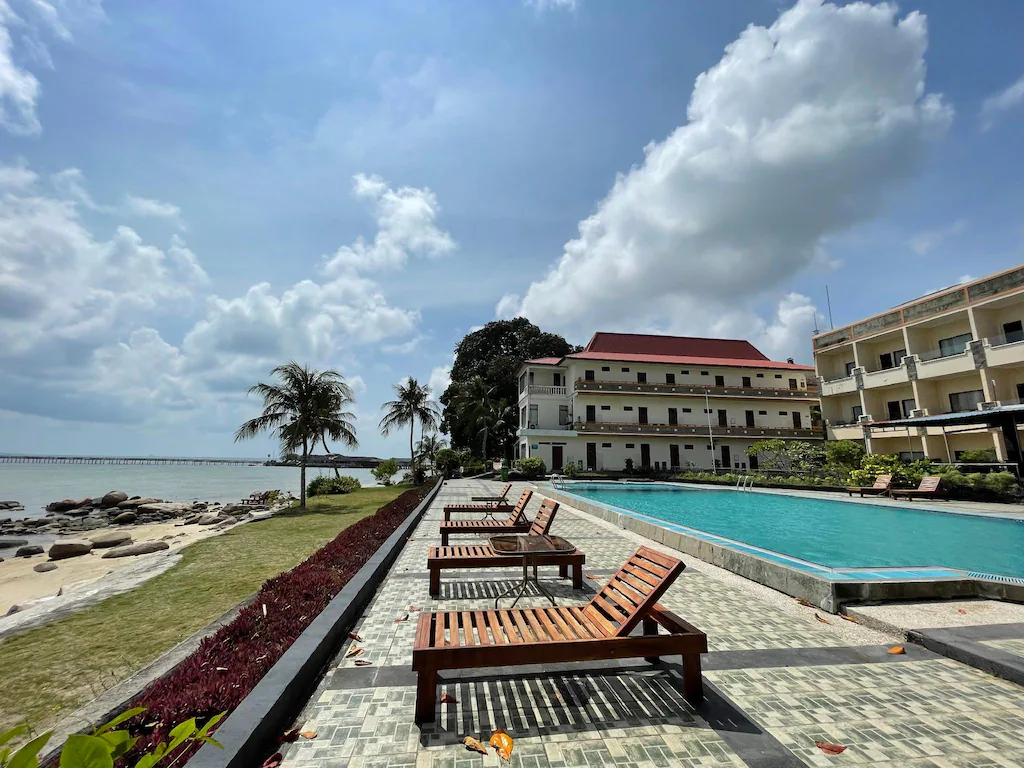
Planning the perfect trip to Bintan Island starts with choosing the right time to visit. Understanding the island's climate patterns and seasonal variations will help you maximize your experience while potentially saving money on accommodation and activities.
Bintan Island Climate Overview
Bintan Island enjoys a tropical climate characterized by high humidity, consistent temperatures, and distinct wet and dry seasons. The island's location near the equator means temperatures remain relatively stable throughout the year, typically ranging from 24°C to 32°C (75°F to 90°F).
Dry Season (March - October): Peak Tourist Period
The dry season is considered the best time to visit Bintan Island for most travelers. This period offers the most predictable weather and is ideal for outdoor activities and beach experiences.
Weather Characteristics:
- Temperature: 26°C to 32°C (79°F to 90°F)
- Rainfall: Minimal, usually less than 100mm per month
- Humidity: 70-80%
- Wind: Light to moderate breezes
Best Activities During Dry Season:
- Beach Activities: Swimming, sunbathing, and beach sports
- Water Sports: Snorkeling, diving, jet skiing, and sailing
- Outdoor Adventures: Hiking, cycling, and ATV tours
- Golf: Perfect conditions for golfing on world-class courses
- Photography: Clear skies and excellent visibility
Pros of Dry Season:
- Reliable weather for outdoor activities
- Best conditions for water sports and beach activities
- Clear skies for photography and sightseeing
- All attractions and activities are fully operational
- Excellent conditions for island hopping and boat tours
Cons of Dry Season:
- Higher accommodation prices due to peak season
- More crowded beaches and attractions
- Higher temperatures and stronger sun
- Advance booking required for popular resorts
Wet Season (November - February): Off-Peak Advantage
While the wet season brings more rainfall, it also offers unique advantages for budget-conscious travelers and those seeking a more authentic island experience.
Weather Characteristics:
- Temperature: 24°C to 30°C (75°F to 86°F)
- Rainfall: 200-400mm per month, mostly afternoon showers
- Humidity: 80-90%
- Wind: Variable, occasional stronger gusts
Best Activities During Wet Season:
- Indoor Activities: Spa treatments, cooking classes, and cultural workshops
- Spa and Wellness: Perfect time for relaxation and rejuvenation
- Cultural Experiences: Visit traditional villages and local markets
- Photography: Dramatic skies and lush green landscapes
- Mangrove Tours: Beautiful scenery with fewer crowds
Pros of Wet Season:
- Significantly lower accommodation prices (20-40% savings)
- Fewer tourists and more peaceful experience
- Lush, green landscapes and beautiful vegetation
- Cooler temperatures and refreshing rain showers
- Easier to get reservations at popular restaurants
- More authentic local experience
Cons of Wet Season:
- Unpredictable weather patterns
- Some outdoor activities may be limited
- Higher humidity levels
- Occasional ferry delays due to weather
Monthly Breakdown: When to Visit
Here's a month-by-month guide to help you choose the perfect time for your Bintan Island adventure:
March - May: Early Dry Season
- Weather: Transitioning from wet to dry, gradually improving
- Crowds: Moderate, good balance of visitors
- Prices: Mid-range, good value for money
- Activities: All activities available, improving conditions
- Best For: Families, first-time visitors, outdoor enthusiasts
June - August: Peak Dry Season
- Weather: Excellent, minimal rainfall, clear skies
- Crowds: High, especially during school holidays
- Prices: Highest of the year
- Activities: Perfect conditions for all activities
- Best For: Beach lovers, water sports enthusiasts, luxury travelers
September - October: Late Dry Season
- Weather: Still excellent, beginning to transition
- Crowds: Decreasing, more peaceful
- Prices: Starting to decrease
- Activities: All activities still available
- Best For: Couples, photographers, those seeking good weather with fewer crowds
November - February: Wet Season
- Weather: Variable with rain showers, mostly in afternoons
- Crowds: Lowest of the year
- Prices: Best deals and discounts
- Activities: Indoor activities preferred, some outdoor activities weather-dependent
- Best For: Budget travelers, spa enthusiasts, cultural explorers
Special Considerations
Beyond the general seasons, consider these factors when planning your visit:
School Holidays and Peak Periods:
- June-July: Singapore school holidays, very busy
- December: Year-end holidays, moderate crowds
- Chinese New Year: Variable dates, can be busy
- Easter: Moderate crowds, good weather
Festivals and Events:
- Bintan Festival: Usually in July, cultural celebrations
- Water Sports Competitions: Various dates throughout dry season
- Cultural Performances: Regular events, more frequent in wet season
Weather-Proofing Your Trip
No matter when you visit, here are tips to ensure a great experience:
For Dry Season:
- Book accommodation and activities well in advance
- Bring strong sunscreen (SPF 50+) and protective clothing
- Stay hydrated and avoid peak sun hours (11 AM - 3 PM)
- Consider booking early morning or late afternoon activities
For Wet Season:
- Pack lightweight rain gear and umbrellas
- Plan indoor activities as backup options
- Book flexible accommodation with good indoor facilities
- Check weather forecasts and plan activities accordingly
- Embrace the rain - it often brings beautiful light and fewer crowds
Our Recommendations
Based on years of experience and local knowledge, here are our top recommendations:
Best Overall Experience:
March-May or September-October: These shoulder seasons offer the perfect balance of good weather, reasonable prices, and manageable crowds. You'll enjoy excellent conditions for outdoor activities while avoiding the peak season rush.
Best for Budget Travelers:
November-February: The wet season offers the best value with significant savings on accommodation and activities. While you may experience some rain, the lush landscapes and peaceful atmosphere create a unique and authentic experience.
Best for Luxury and Beach Lovers:
June-August: If budget isn't a concern and you want guaranteed perfect weather, the peak dry season delivers. Book well in advance and expect higher prices, but you'll enjoy the best conditions for all activities.
Best for Families:
March-May: Good weather, moderate crowds, and reasonable prices make this ideal for families. The weather is reliable enough for outdoor activities, but not as hot as the peak summer months.
Conclusion
Bintan Island is truly a year-round destination, with each season offering unique experiences and advantages. The key is to align your travel preferences, budget, and desired activities with the seasonal characteristics.
Whether you choose the reliable sunshine of the dry season or the peaceful authenticity of the wet season, Bintan Island will provide an unforgettable tropical experience. The most important factor is to plan ahead and book early, especially during peak periods.
Remember, there's no "wrong" time to visit Bintan Island - only different experiences waiting to be discovered. Each season reveals a different side of this beautiful island paradise.
Ready to Plan Your Bintan Island Adventure?
Choose your perfect season and start planning today
View Travel Packages